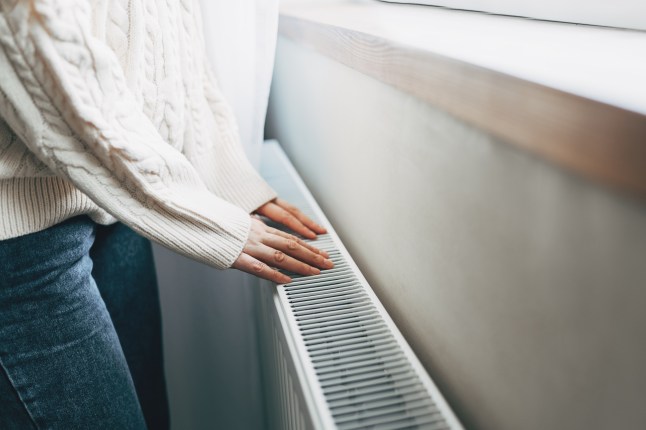
As the UK experiences the onset of colder weather, British Gas has reminded householders of a common issue that affects home heating systems: trapped air within radiators.
This often results in radiators heating unevenly, with cold spots at the top, reducing overall warmth and efficiency.
The trapped air disrupts the flow of hot water, preventing full circulation and causing certain sections of the radiator to remain cold.
This not only diminishes room comfort but can also place additional strain on boilers, leading to decreased system performance and increased energy use.
The £1 fix for trapped air in radiators
British Gas recommends a straightforward maintenance task known as ‘bleeding’ the radiator to alleviate this problem.
The process involves releasing the air trapped inside the radiator to restore efficient heat distribution.
The steps are as follows:
- Turn off the heating system to prevent hot water burns.
- Place a towel or bucket under the radiator valve to catch any water drips.
- Use a radiator bleed key, typically costing around £1 and available at most DIY stores, to gently turn the valve.
- Listen for the hissing sound of air escaping.
- Once water starts to flow steadily, tighten the valve again.
- Turn the heating back on and check that the radiator heats evenly from top to bottom.
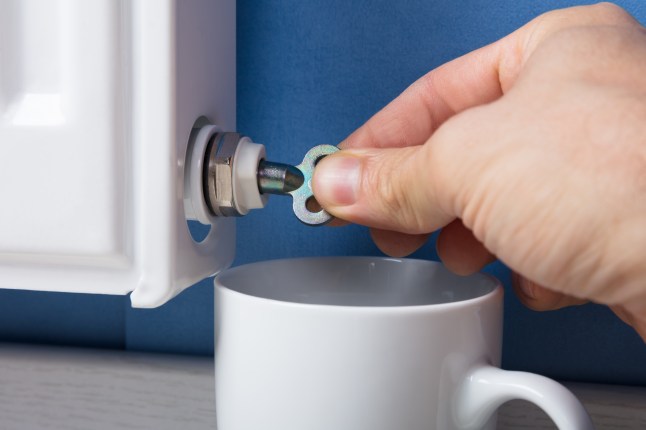
Alternative household tools may sometimes substitute for a radiator key.
However, specialised products offer a better design, compatibility with various radiator types, and additional guarantees like lifetime warranties for convenience and durability.
As well as improving home heating, British Gas’s advice can also save money on heating bills.
According to Ideal Home, bleeding radiators can improve heating system efficiency by as much as 15% and save up to £45 per radiator over the winter season.
Plus, there are environmental benefits to reducing boiler workload through routine radiator maintenance.
However, if you are planning on bleeding your radiators, make sure to take safety precautions.
This includes allowing radiators to cool before starting, and checking boiler pressure after bleeding to maintain system balance.
Failure to monitor boiler pressure can lead to heating issues, so this step is crucial for consistent performance.
Do you have a story to share?
Get in touch by emailing MetroLifestyleTeam@Metro.co.uk.